EACOP’s Tanga oil tanks reach 94% completion as Uganda targets December output
Ugandan lawmakers inspected Tanzania’s export facilities as officials reported advanced construction but faced questions over timelines and community compensation.
Key takeaways
- Tanga’s four crude storage tanks, each with 500,000-barrel capacity, were reported 94% complete; thermal insulation was at 83%.
- Construction at Pumping and Receiving Station Two was reported at 96%, with operational readiness expected within weeks.
- Uganda’s High Commissioner to Tanzania reaffirmed expectations for first oil in December 2026.
- Lawmakers questioned differing completion estimates and sought updates on compensation, livelihoods and local participation.
- Identified funding needs could be addressed through Parliament’s established budget procedures.
Four storage tanks at Tanzania’s Tanga oil export terminal are 94% built, but the remaining work is drawing scrutiny as Uganda prepares for its first oil. Each tank can hold 500,000 barrels. During a parliamentary inspection, lawmakers asked about differing completion estimates and whether the wider East African Crude Oil Pipeline project would be ready for the anticipated start of production.
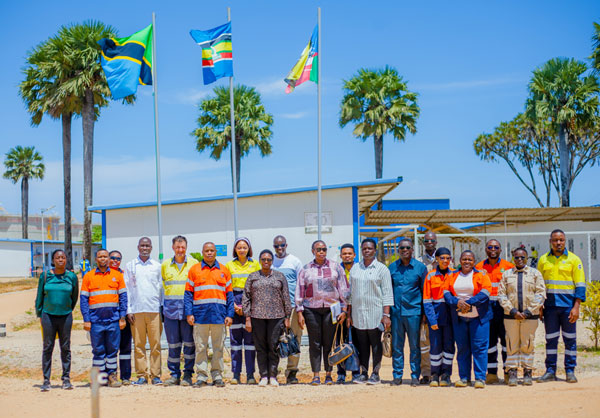
According to The Independent Uganda, the Parliamentary Committee on Environment and Natural Resources has completed an oversight visit to EACOP facilities in Tanzania. Led by vice chairperson Ann Maria Nankabirwa, the delegation sought to establish what remained unfinished, identify issues needing government help and report back to Parliament. Its brief extended beyond construction to local business participation, community welfare and the project’s benefits for regional cooperation.
A shared route to the export market
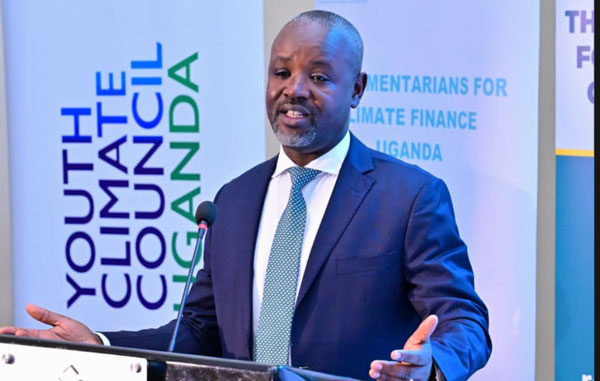
The 1,443-kilometre pipeline connects Uganda’s oil ambitions with export infrastructure in Tanzania, where most of the route lies. Uganda’s crude will be shipped through the Marine Export Terminal at Tanga. Meeting the delegation in Dar es Salaam, Uganda’s High Commissioner to Tanzania, Fred Mwesigye, described the project as a shared strategic investment and expressed confidence in progress. He reaffirmed expectations that Uganda would produce its first oil in December 2026.
At Tanga, project briefings showed that construction was further advanced than some of the work needed to prepare the tanks for service. While the four tanks had reached 94% construction completion, thermal insulation—the material used to limit heat loss—was 83% complete. Installation, testing and commissioning, the checks and preparation needed to bring equipment into operation, were continuing. Lawmakers also reviewed systems for measuring oil exports, fire protection, backup electricity and operational monitoring.
Project officials said solar power and emergency generators were included in the terminal’s design to support reliable operations and reduce its carbon footprint. The delegation then inspected Pumping and Receiving Station Two, known as PRS2, where construction was reported to be 96% complete. Officials expected the station to be operationally ready within weeks and outlined monitoring and control systems intended to support safe operations and detect unusual conditions early.
Readiness includes communities, not just equipment
The lawmakers’ questions went beyond individual construction percentages. They sought clarification on project schedules, differing completion estimates and overall readiness for the first-oil target. They also requested updates on compensation, programmes to restore livelihoods, opportunities for local participation and measures addressing the concerns of people affected by the project. Nankabirwa stressed that delivering national infrastructure on time must be accompanied by protection for those communities.
Nankabirwa said Parliament must safeguard affected communities’ interests while ensuring strategic national projects are delivered on schedule.
Any funding needs identified during the inspection could be considered through Parliament’s established budget procedures, including the Budget Framework Paper, the committee noted. Nankabirwa said the aim was to avoid delays to critical government support as Uganda prepared for first oil. Members praised the work completed by project teams while calling for continued engagement with affected communities and timely delivery of the remaining activities.
The Petroleum Authority of Uganda, Tanzania Petroleum Development Corporation and Tanzania’s Ministry of Energy coordinated the visit. Tanzania’s High Commissioner to Uganda, Elisha Gaguti, joined the site inspections. The next milestones to watch are PRS2’s expected readiness within weeks, completion of the terminal’s remaining installation and testing, and clarification of the schedules behind the December first-oil expectation. Compensation and livelihood restoration also remain on the committee’s oversight agenda.
Sources
Investing involves risk. TGC value can fall. This is not investment advice.
Comments
No comments yet — be the first.