What Is Ore Grade? A Clear Guide for Gold Investors
Learn what ore grade means, how gold grade is measured, and why sampling, recovery and operating costs matter more than a headline number.
Key takeaways
- Ore grade measures the concentration of a valuable material in ore; gold grade is commonly expressed in grams per tonne.
- A useful grade figure needs a clear sampling context, measurement method, unit and reporting basis.
- Higher grade does not always produce more recovered gold: recovery and processing characteristics matter.
- Grade alone cannot establish profitability or investment returns; costs, capital needs and operating execution also count.
Imagine hearing about two gold deposits. One contains more gold in every tonne of rock. Which would you rather help develop?
The richer one sounds obvious. But what if its gold is harder to extract, its equipment uses more fuel, or its samples tell only part of the story?
At Teqwah, we want to bring you closer to the work behind gold investment. Understanding ore grade is a useful first step: it helps you distinguish an exciting geological number from an operation that can create economic value.
What is ore grade, in plain language?
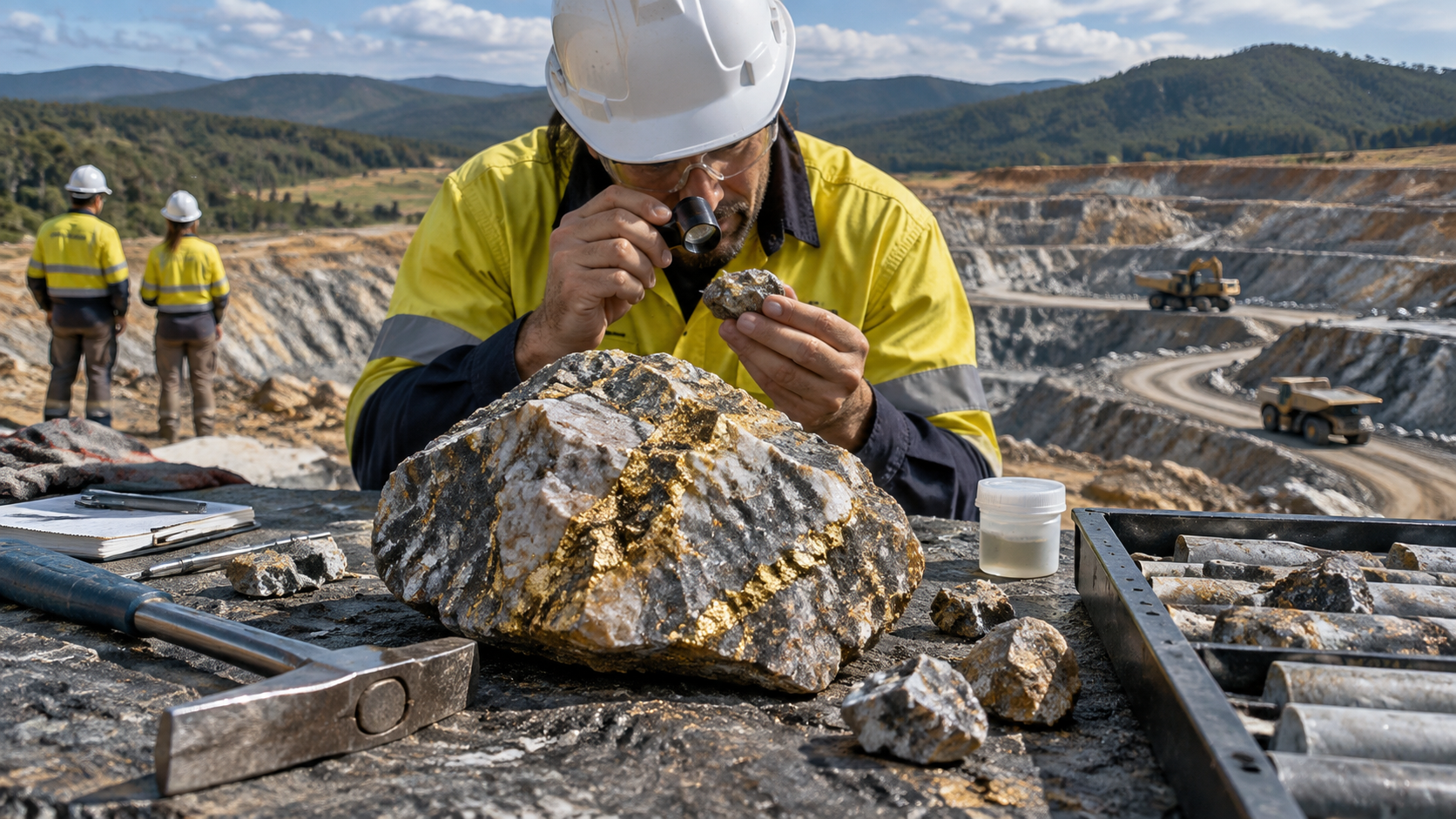
Ore grade describes the amount of a valuable material in a measured quantity of ore. Ore is material containing something valuable that can potentially be extracted economically. Grade tells us its concentration, not the profit it will produce.
Think of a shopkeeper buying sacks of mixed nuts. Knowing how many almonds each sack contains helps compare the stock. But the shopkeeper still needs to know the sack's weight, sorting costs and how much can actually be sold.
Gold ore grade is commonly expressed in grams per tonne, written as g/t. A metric tonne is 1,000 kilograms. Gold ore grading 2 g/t therefore contains two grams of gold per tonne, on the stated measurement basis.
Other materials may use percentages. Copper ore grading 1% contains 10 kilograms of copper per metric tonne. These units describe contained material, not necessarily recoverable output.
Why this matters: a grade without a unit is an incomplete number.
Ore grade tells us what is in the material. Sampling, recovery and costs help tell us what that material may be worth.
Before comparing grades, ask what was sampled
Suppose a small miner picks a visibly promising piece of rock and sends it to a laboratory. The result may accurately describe that piece. It does not automatically describe the surrounding hillside.
This is the difference between a valid measurement and a representative sample. Both matter.
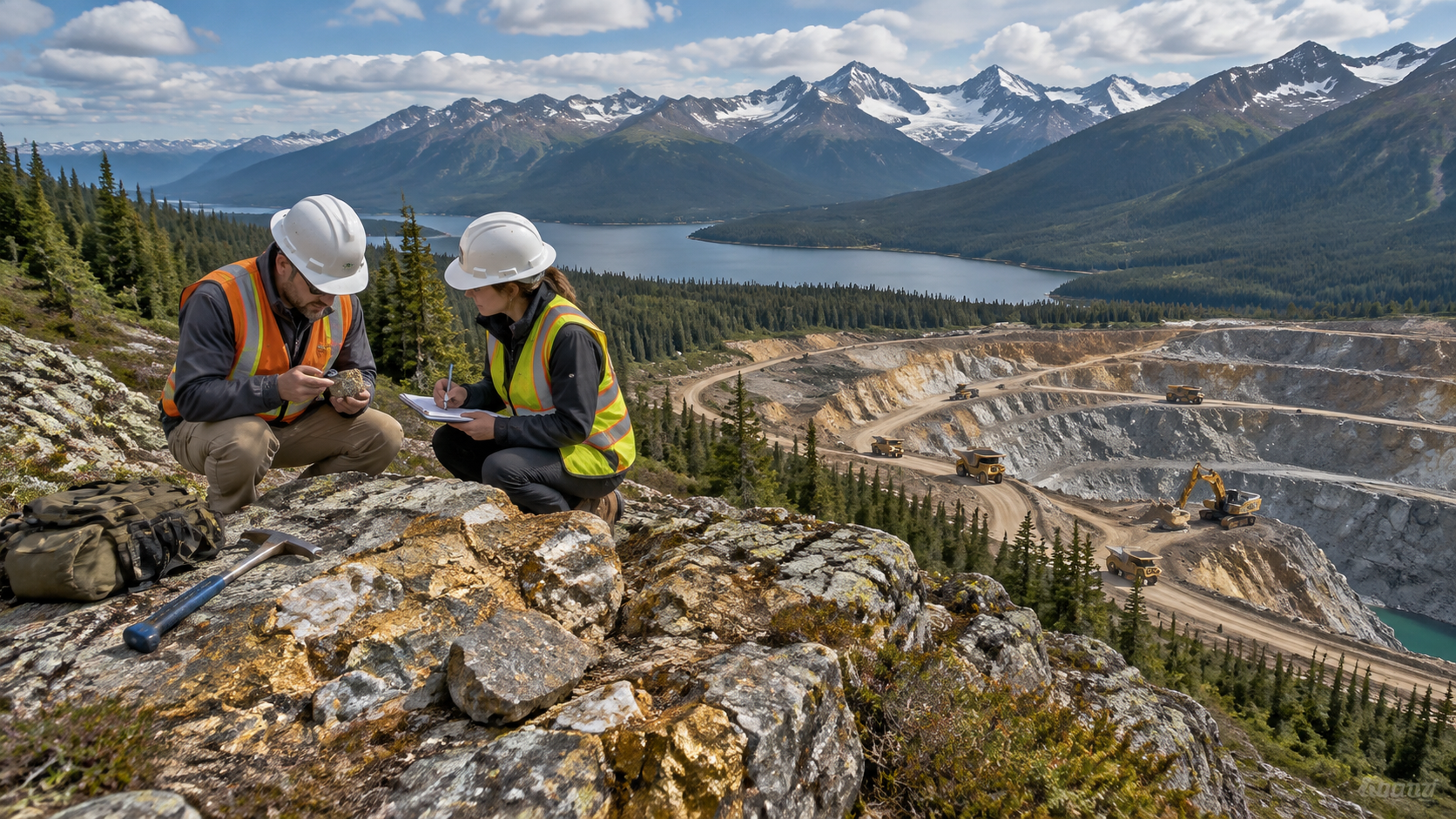
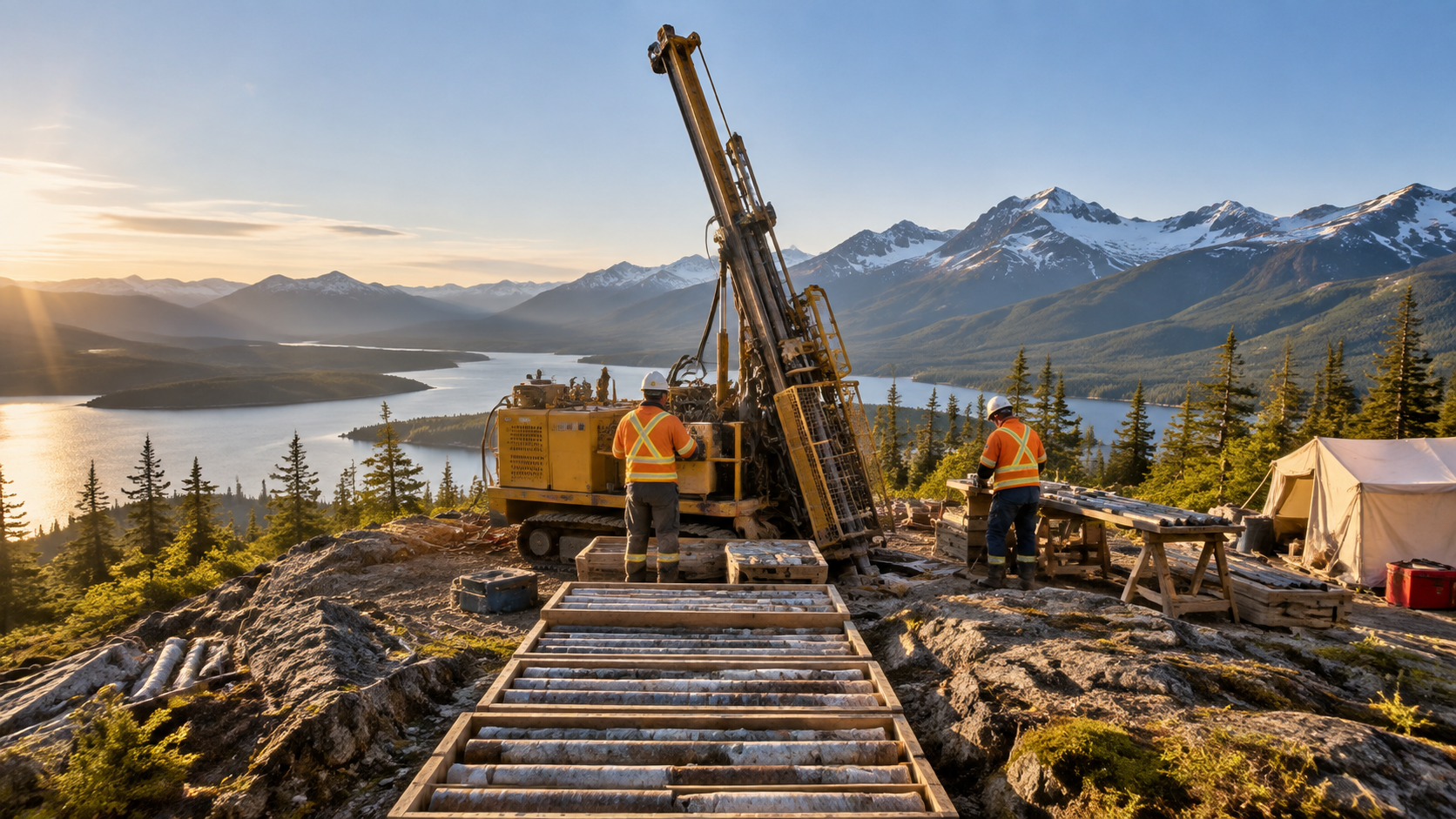
A drill-core sample comes from a particular interval of rock. A stockpile sample comes from material already extracted. A processing-plant feed sample measures material entering the plant. Those results answer different questions and should not be treated as interchangeable.
When you encounter a grade claim, ask:
- What was sampled? A selected rock, a drill interval, a stockpile or plant feed?
- How was the sample collected? Was the method designed to represent the material being discussed?
- How was it measured? Which laboratory assay, or chemical analysis, and preparation method were used?
- What is the reporting basis? Are the units, moisture basis and averaging method clear?
Gold can be unevenly distributed, especially where individual coarse particles occur. Sample size and preparation can therefore affect how well a result represents the wider material.
Even averages need care. Combining grades from different quantities requires appropriate weighting; simply averaging the numbers can mislead.
Higher grade helps, but recovery changes the picture
Higher grade generally means more contained metal for the same quantity of ore. That can be valuable. Yet a processing plant does not necessarily recover everything the ore contains.
Recovery is the proportion of contained valuable material successfully extracted into the relevant product. Gold locked inside difficult minerals may need more complex treatment than gold that separates readily.
Here is a simplified, hypothetical comparison—not a result from our operations:
| Measure | Material A | Material B | |---|---:|---:| | Ore processed | 1,000 tonnes | 1,000 tonnes | | Gold grade | 2 g/t | 3 g/t | | Contained gold | 2,000 grams | 3,000 grams | | Recovery | 90% | 50% | | Recovered gold | 1,800 grams | 1,500 grams |
The lower-grade material produces more recovered gold in this example. The basic calculation is:
Ore tonnes × grade in g/t × recovery rate = recovered gold in grams.
Use recovery as a decimal: 90% becomes 0.90. This estimates recovered quantity, not revenue or profit. Further handling, refining and selling terms may also matter.
Can the recovered gold cover the cost?
Now imagine a young saver comparing mining opportunities. One presentation highlights a strong grade. Another explains fuel, labour, maintenance and processing needs. The second gives the saver more of the information needed to understand the business.
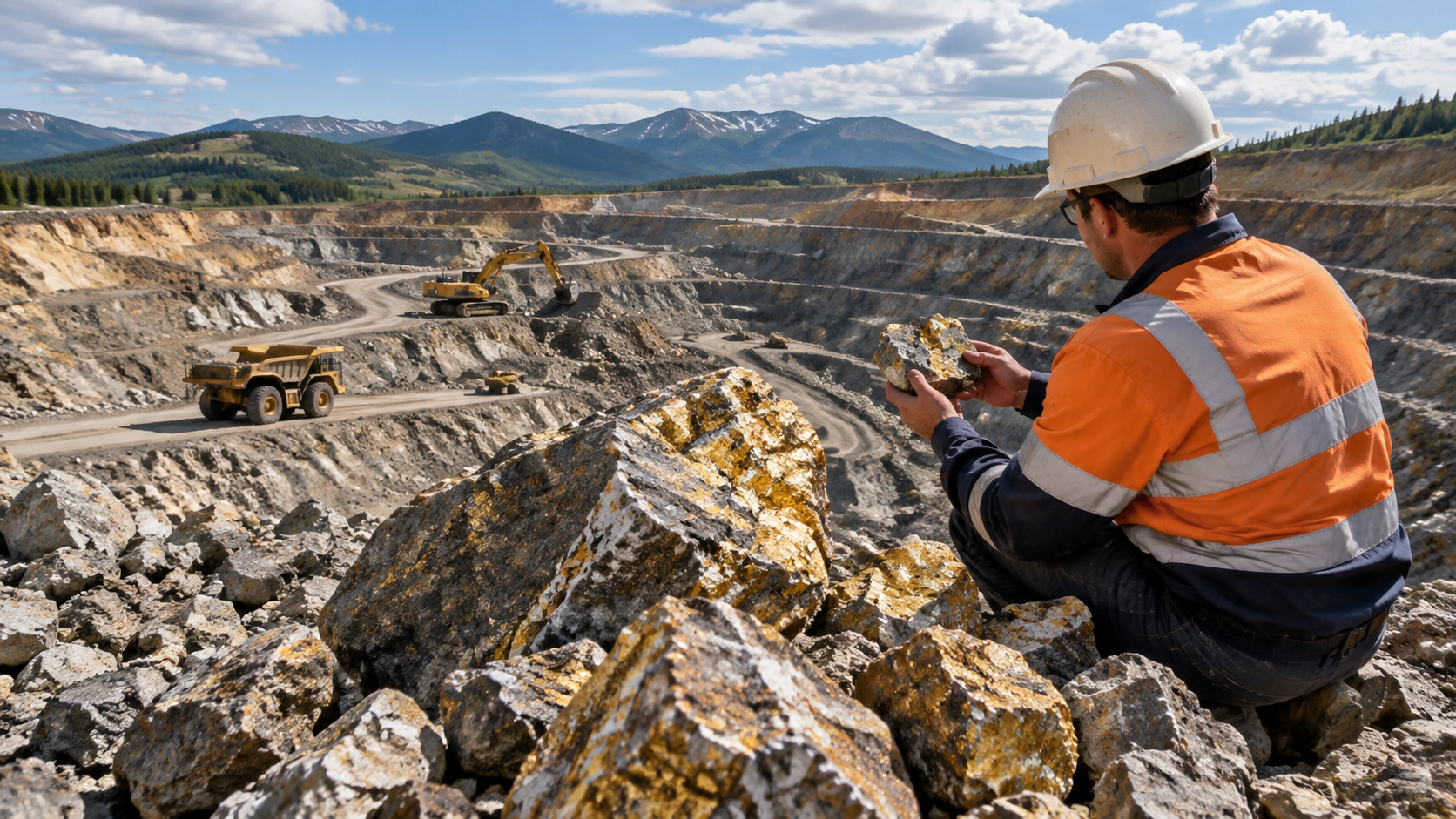
Mining can require removing waste rock before reaching ore. Material must be moved, equipment maintained and processing supplied with energy and water. These demands can outweigh a grade advantage.
There is also dilution: lower-grade or barren material becomes mixed with ore during mining, reducing the grade delivered to processing.
A cut-off grade is a threshold used to decide whether material qualifies for a particular economic treatment or classification under stated assumptions. It depends on factors such as metal prices, recovery and costs. It is not a universal boundary between good and bad rock.
Why this matters: a high-grade deposit is not automatically a profitable mine. Capital spending, operating scale and execution also shape the outcome.
How we connect geology with participation
For people who see potential in gold but cannot run a mine themselves, understanding these links makes participation more informed. The opportunity is exciting precisely because value must be created through execution—not simply discovered in a sample.
At Teqwah Capital, we deploy equipment and operating capital into gold mining, alongside physical gold trade and productive machinery activities. Our participants hold TGC as a proportional participation in our unified pool; they do not select individual mines or projects.
An ore-grade result is therefore not a forecast of a participant's return. TGC's recorded value is pool value divided by circulating TGC, and it can rise or fall. TGC is not exchange-traded.
We invite you to understand the journey from material to operating results before focusing on any single number. Our how it works page explains participation in more detail.
Frequently asked questions
What is a good gold ore grade?
There is no single grade that makes every deposit attractive. Mining conditions, recovery, scale, metal prices and costs determine whether a particular grade can support an economic operation.
Is ore grade the same as gold purity?
No. Ore grade measures gold concentration in mined or sampled material. Purity describes the proportion of gold in a gold product, such as a refined bar.
Does higher ore grade mean a better investment?
Not by itself. Representative sampling, extraction performance, capital requirements and operating costs all matter. A grade number alone cannot establish profitability or participant returns.
Ready to look beyond the headline number? Explore Teqwah and TGC →
Investing involves risk, values can fall, and this article is education, not financial advice.
Teqwah view
At Teqwah, we put equipment and operating capital to work in gold mining alongside gold trade and productive machinery activities. We want you to understand how a geological measurement connects to real operating outcomes, while your TGC participation represents a proportional share of our unified pool rather than a chosen mine. That is an opportunity built around productive work, with variable outcomes and capital at risk.
Sources
Investing involves risk. TGC value can fall. This is not investment advice.
Comments
No comments yet — be the first.