What Is the Life Cycle of a Mine? From Discovery to Closure
Explore the five stages of a mine’s life cycle, the costs and risks at each step, and why turning a discovery into gold sales takes time.
Key takeaways
- A mine typically moves through exploration, planning, development, production and closure or rehabilitation; not every discovery reaches production.
- Exploration and development require funding before dependable production revenue exists, making timing and execution important financial risks.
- Mined volume, saleable gold, revenue and profit are different measures; grade, recovery and costs influence the outcome.
- Closure and rehabilitation create obligations that should be planned and funded before the final sale.
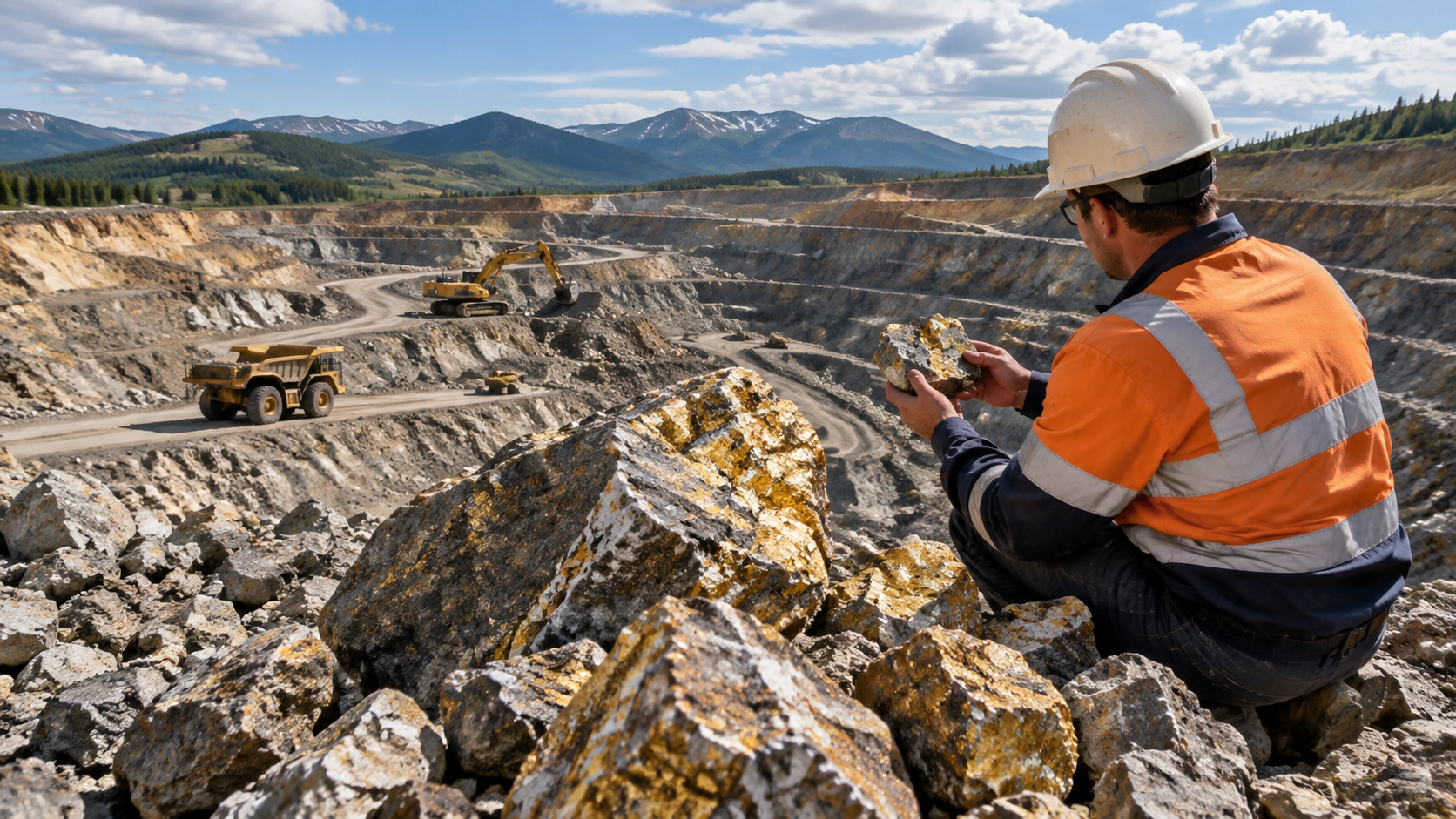
An excavator lifts a bucket of earth. Someone holds up a piece of gold. Watching the clip, you might wonder: why not buy a machine and start digging?
Because the machine is only one part of a much longer story.
The life cycle of a mine typically includes exploration, planning, development, production and closure or rehabilitation. Each stage asks a different question, requires funding and carries risks. Not every discovery becomes a working mine.
At Teqwah, we want to bring you closer to the productive work behind gold. Understanding this journey helps you look beyond impressive footage and ask better questions about where value comes from.
A mine creates value through evidence, preparation and execution—not simply by moving earth.
1. Exploration: is there something worth investigating?
Imagine a shopkeeper choosing a new location. A busy street looks promising, but foot traffic alone does not prove that a shop will make money.
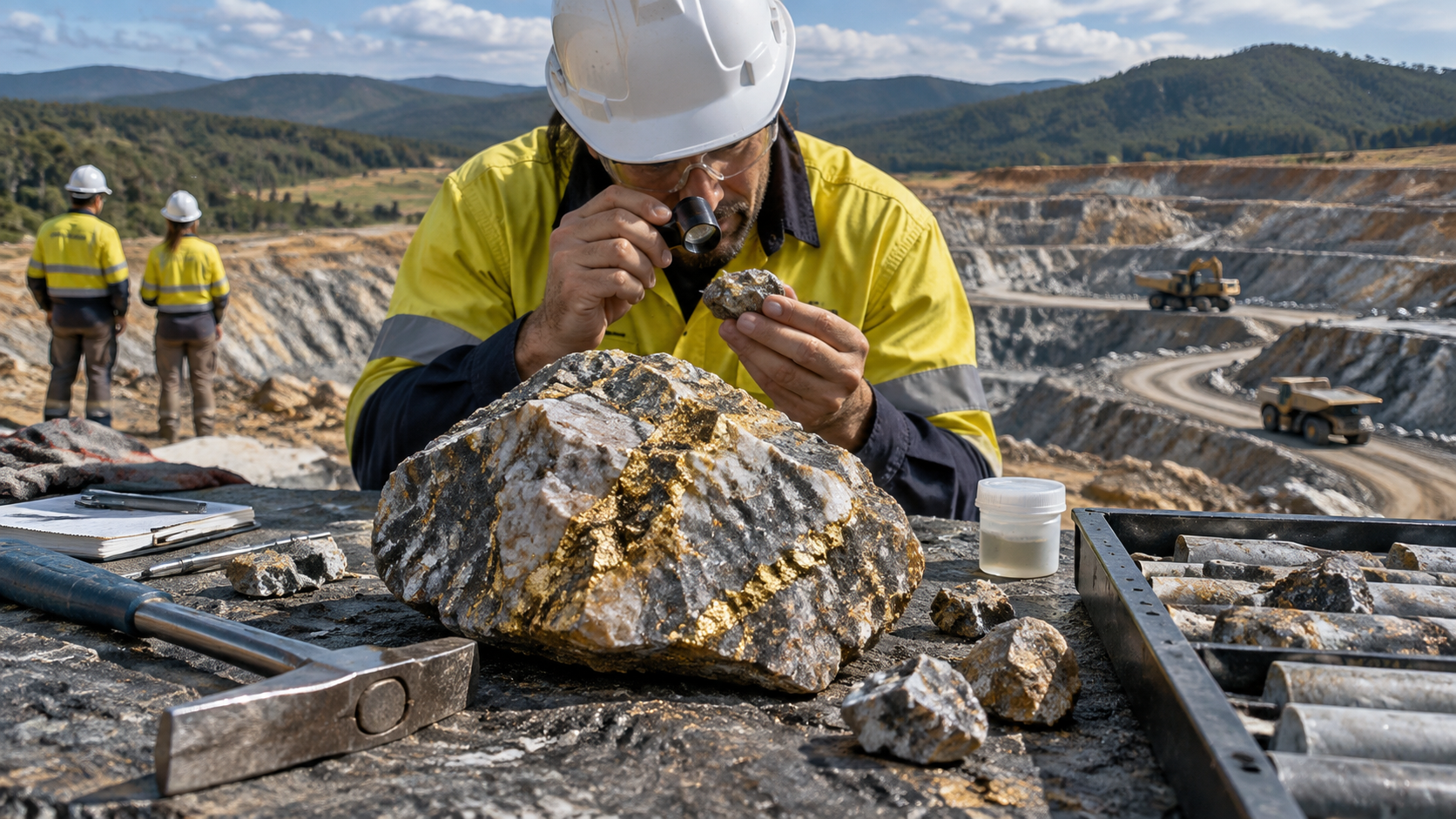
Exploration works similarly. Geologists study the ground, collect samples and may drill to understand a mineral deposit. They investigate its size, depth, continuity and grade—the concentration of valuable mineral in the material.
Finding gold is encouraging. Finding enough gold that can be extracted economically is a different challenge.
Early costs can include surveys, access, drilling, laboratory testing and specialist work. There is usually no income from mine production to offset them.
The central risk is geological: the deposit may be smaller, less consistent or harder to recover than expected. Promising results need further testing, not instant celebration.
Why this matters: exploration buys information, not a finished business. A project may stop here, even after substantial spending.
2. Planning: can the discovery become a viable business?
Now imagine that shopkeeper preparing a budget. Rent, staffing, electricity and deliveries could swallow the margin on every sale.
Mine planning asks the same practical question: after all the work and costs, does the project make sense?
Teams assess mining methods, processing options, infrastructure and environmental and social impacts. They also work through land access, community engagement and the permits required in the relevant jurisdiction.
Technical and financial studies test whether a deposit could support an economically viable operation. A mineral resource describes material with reasonable prospects for eventual economic extraction; a mineral reserve is the economically mineable portion supported by the required studies and modifying factors.
For a non-specialist, the essential distinction is simple: mineral in the ground is not the same as saleable inventory.
Useful questions include:
- How will the mineral be extracted and processed?
- Where will power, water and transport come from?
- What happens if costs rise or the selling price falls?
- How will closure and rehabilitation be funded?
Why this matters: a promising deposit can still become an unviable project. Planning should test assumptions before larger commitments follow.
3. Development: what must exist before production starts?
A small miner may have suitable ground and a workable plan, yet still need an access road, reliable water and equipment that can be maintained locally.
Development turns a plan into an operating site. Depending on the mine, this can involve roads, power connections, processing facilities, waste-management systems, open-pit preparation or underground access.
This stage often demands substantial capital expenditure: money spent building or acquiring long-lived assets. Recruitment, training, spare parts and commissioning also matter. Commissioning means testing equipment and systems before regular operation.
The financial challenge is timing. Money goes out before dependable production revenue arrives. Delayed deliveries, construction problems or unexpected ground conditions can increase the funding needed.
Buying an excavator does not remove those dependencies. A machine without fuel, trained operators or a functioning processing route cannot complete the journey to a sale.
Why this matters: development risk is about making many moving parts ready together—not merely owning machinery.
4. Production: when does mined material become money?
Production is the stage most people recognise: extraction, hauling and processing. But material leaving the ground is not automatically revenue, and revenue is not profit.
In gold mining, the route may include separating gold-bearing material, processing it, recovering gold, assessing its purity and arranging refining or sale. The exact sequence depends on the deposit and operation.
Consider two loads of equal weight. One may contain less gold. Another may contain gold that the process cannot recover as efficiently. Moving the same tonnage can therefore produce different saleable output.
Daily costs also continue: fuel, wages, maintenance, consumables and transport. Equipment replacement and other sustaining investment can require further cash during production.
Weather, breakdowns, changing ground conditions and commodity prices can all affect results. Production may rise gradually during ramp-up rather than reach planned capacity immediately.
At Teqwah Capital, our activities include gold mining, physical gold trade and productive machinery. These are connected forms of work, but they are not interchangeable: extraction, trading and equipment rental have different costs and operating risks.
Why this matters: assess the route from production to sale and cash collection—not just the volume moved or the gold shown on camera.
5. Closure and rehabilitation: who pays when digging stops?
A mine has a finite working life. Extraction may end because the economically recoverable material is depleted, costs become too high or other constraints prevent continued operation. Some mines pause rather than close permanently.
Closure can involve removing infrastructure, securing excavations, stabilising waste facilities and rehabilitating disturbed land. Water treatment and monitoring may continue after production ends.
Rehabilitation should be planned early and can take place progressively while a mine operates. Its aim is a safe, stable site suitable for an agreed future use—not a promise that every site returns exactly to its original condition.
For participants, the financial lesson is important: the final sale does not necessarily end the bills.
Our approach at Teqwah connects participants to a unified pool through TGC, rather than asking them to choose individual mines. We manage allocation across our operations. Understanding the mine life cycle helps explain why operational execution matters, while TGC’s recorded value can rise or fall.
Why this matters: a credible view of mining includes the cost of finishing responsibly, not just starting enthusiastically.
Frequently asked questions
How long is the life cycle of a mine?
There is no universal timetable. Exploration, studies, approvals and development can take years before production begins. Deposit size, infrastructure, funding and operating conditions influence the total life span.
Does every gold discovery become a mine?
No. Further testing may reveal insufficient scale, difficult processing, excessive costs or environmental and social constraints. Discovery is a starting point, not proof of commercial viability.
Does production mean an investment is profitable?
No. Sale proceeds must be considered alongside operating costs, capital needs and other obligations. A producing mine can lose money, and participation terms also affect what an investor receives.
For people who see potential in gold but cannot run a mine themselves, understanding the work is a powerful first step. Explore TGC at teqwah.com →
Investing involves risk, values can fall, and this article is education—not financial advice.
Teqwah view
At Teqwah, we connect participation through TGC to our unified pool across gold mining, physical gold trade, productive machinery and selected real estate. We manage allocation so participants do not have to choose individual projects. We see the opportunity in productive work, while keeping the reality clear: recorded value can rise or fall, and returns are variable.
Sources
Investing involves risk. TGC value can fall. This is not investment advice.
Comments
No comments yet — be the first.