District Metals drills two Swedish targets with stronger signals than Viken
The company has begun testing two largely unexplored areas north of its Viken uranium deposit as part of a broader 2026 drilling programme.
Key takeaways
- District Metals has started diamond drilling at its Viken Property in Sweden’s Jämtland County.
- Two targets identified in a 2025 airborne survey showed larger and stronger conductive responses than the Viken Deposit, the company said.
- Drilling in 2008 reached only the targets’ outer edges, where it encountered mineralised alum shale.
- The approved 2026 programme covers about 5,000–7,000 metres of drilling across Viken and the Alum Shale properties.
- Geological observations and uranium-related radiation readings will determine the scale of the current campaign.
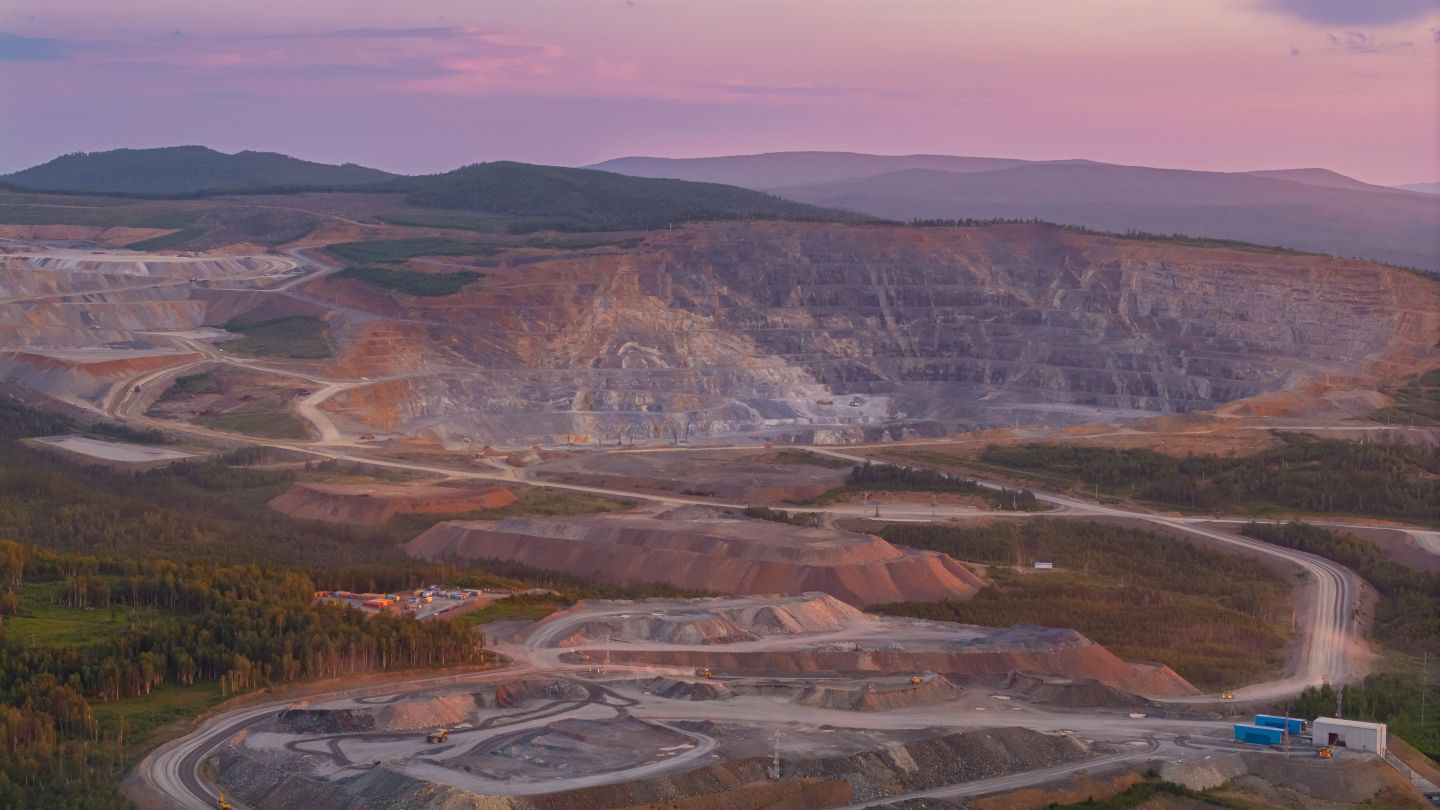
Two largely untested areas in central Sweden have produced larger and stronger underground conductivity signals than the nearby Viken uranium deposit, according to District Metals. The company has now begun diamond drilling to find out what those signals represent. Mining Technology reported that the work is under way at the Viken Property in Jämtland County, opening a new phase of exploration around a deposit the company describes as the world’s largest undeveloped uranium resource.
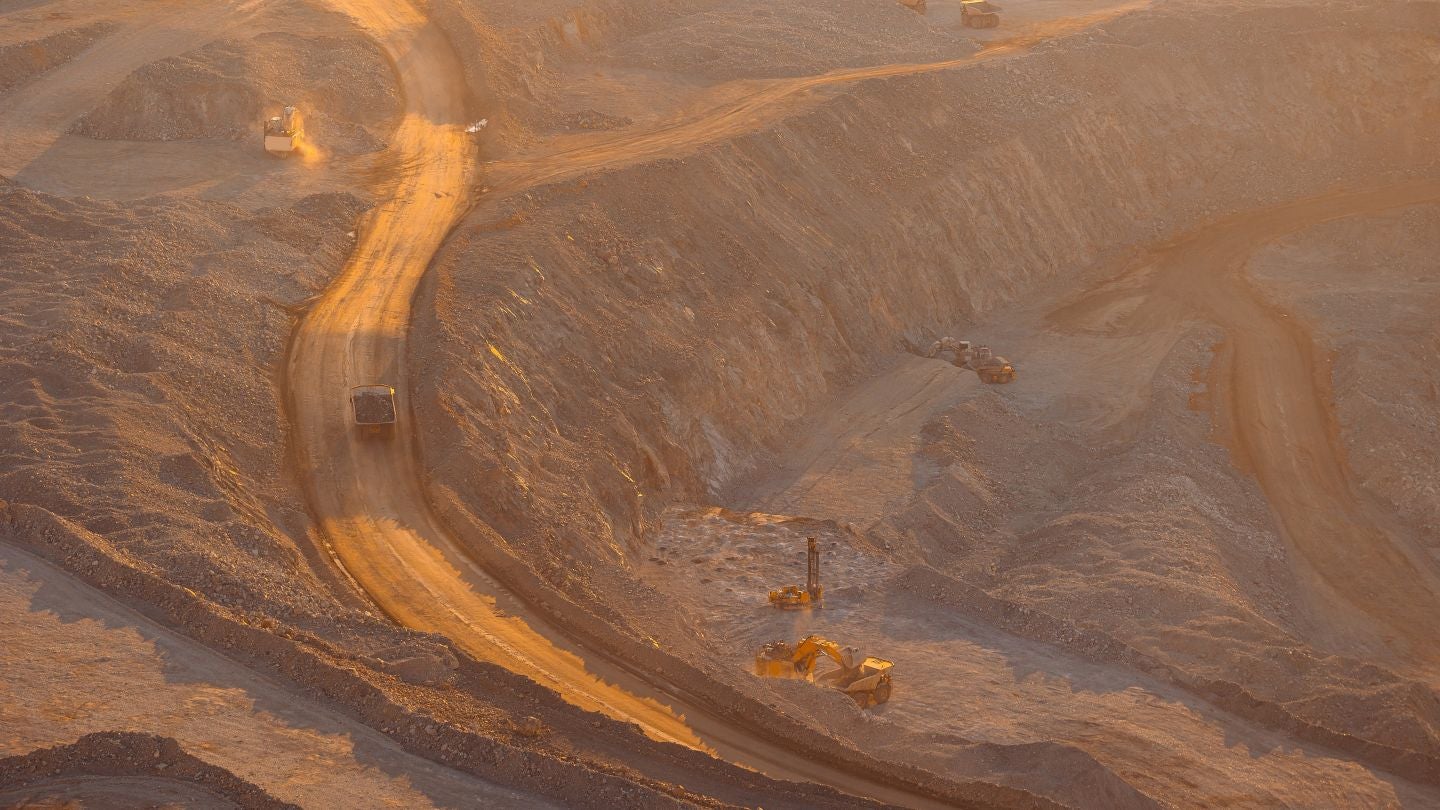
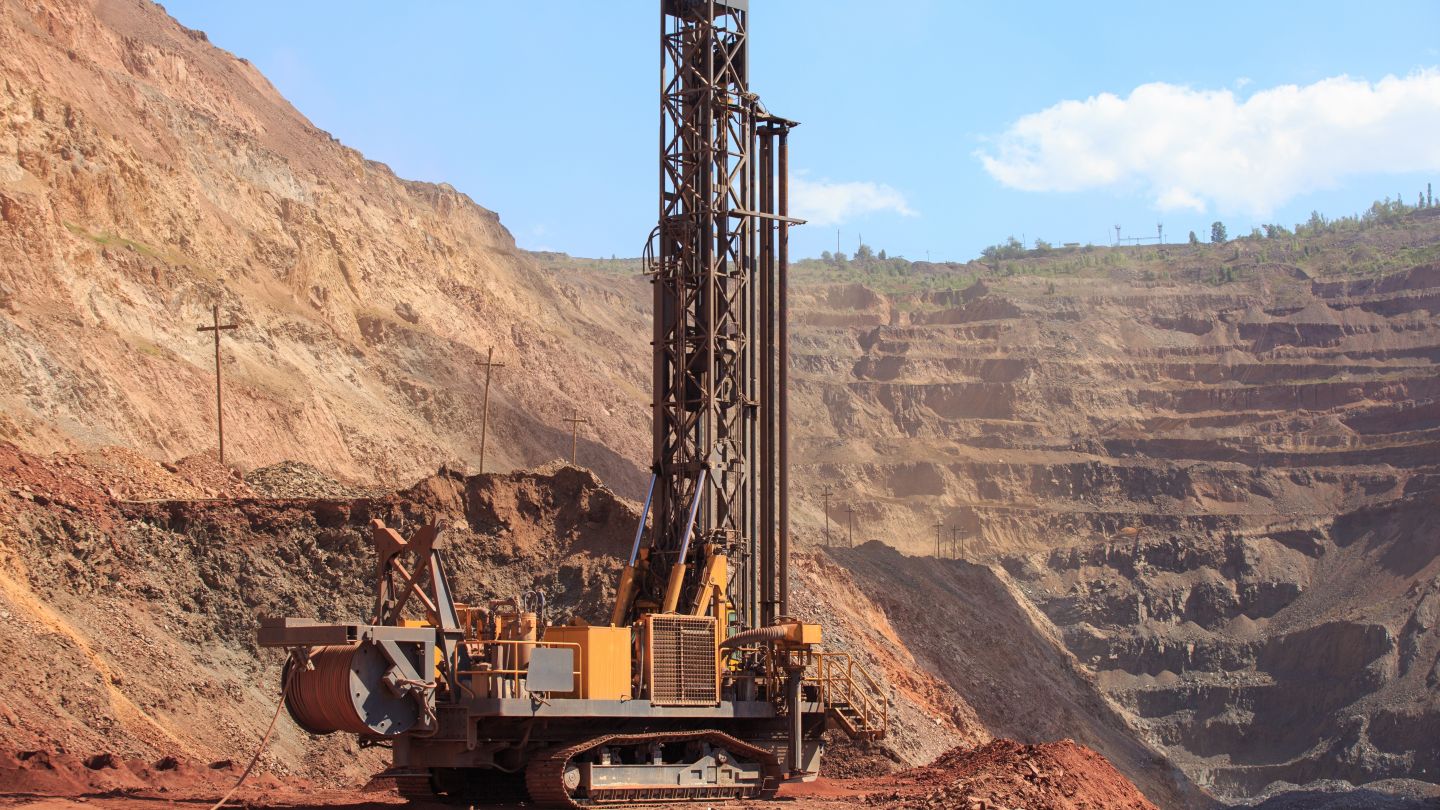
Arctic DS, the Swedish subsidiary of Arctic Drilling, is carrying out the campaign. Its team is drawn mainly from Jämtland and Västerbotten counties. Diamond drilling brings rock samples to the surface for examination, allowing the exploration team to test the geology behind signals first identified from the air.
Following two untested signals
The campaign focuses on areas labelled A and B. Target A lies about 1.7 kilometres north of the main Viken Energy Metals Deposit, while target B is roughly 7.5 kilometres to the northwest. Both were identified through a MobileMT airborne survey completed in 2025. That survey mapped conductive anomalies: areas with electrical properties that stand out from the surrounding ground.
According to District Metals, the two targets produced conductive responses that were both stronger and more extensive than the response over the Viken Deposit itself. They are not entirely without drilling history, but earlier holes drilled in 2008 tested only their outer edges. Those holes encountered substantial lengths of mineralised alum shale, a type of rock containing metals. Much of the two target areas therefore remains untested.
Chief executive Garrett Ainsworth said the combination of the survey results and the mineralised rock found around the edges gave the company a strong geological basis for drilling. He described the areas as among Viken’s most compelling untested targets. The aim, he said, is to investigate them both laterally and at depth, extending the examination beyond what the earlier holes reached.
A flexible campaign around a large resource
District Metals has not fixed the number of holes or total drilling distance for this campaign. Those decisions will depend on the geology observed during drilling and uranium-specific radiometric readings, which measure radiation associated with uranium. The work forms part of its approved 2026 exploration programme, covering approximately 5,000–7,000 metres of drilling across the Viken and Alum Shale properties rather than Viken alone.
The existing Viken Deposit has an indicated mineral resource estimate of 456 million tonnes grading 175 parts per million of triuranium octoxide, a uranium oxide. An indicated resource is an estimate supported by geological evidence and sampling. The reported contained amount is 176 million pounds of that oxide. District Metals also reports significant quantities of vanadium, molybdenum, nickel, copper, zinc and other raw materials in the deposit.
District Metals describes Viken as the world’s largest undeveloped uranium resource estimate.
The next development to watch is what the new rock samples and radiometric measurements show at A and B. Those findings will guide the number and length of holes as the team tests the two areas beyond their previously drilled margins. For now, the company’s case for exploring them rests on the airborne signals and the mineralised shale already encountered at their edges.
Sources
Investing involves risk. TGC value can fall. This is not investment advice.
Comments
No comments yet — be the first.