GoldMining cuts nearly 400 metres of gold-copper mineralisation at Yarumalito
The first result from its 2026 Colombia drilling campaign supports the company’s geological model, with assays from three more holes still pending.
Key takeaways
- Hole YAR-45 intersected 399.9 metres grading 0.45 grams per tonne of gold equivalent from surface.
- GoldMining completed four diamond-core holes totalling 1,218 metres on schedule.
- The company said the first result supports its geological model and the importance of the P-1 host rock.
- Assays from three remaining holes will feed into updated geological and resource models.
Nearly 400 metres of continuous gold-copper mineralisation, starting at surface, is the standout finding from GoldMining’s first reported drill hole at Yarumalito this year. According to Mining Technology, the result gives the company an early check on its geological model for the wholly owned Colombian project. But it is only the first part of the picture: laboratory results from three other holes have yet to arrive.
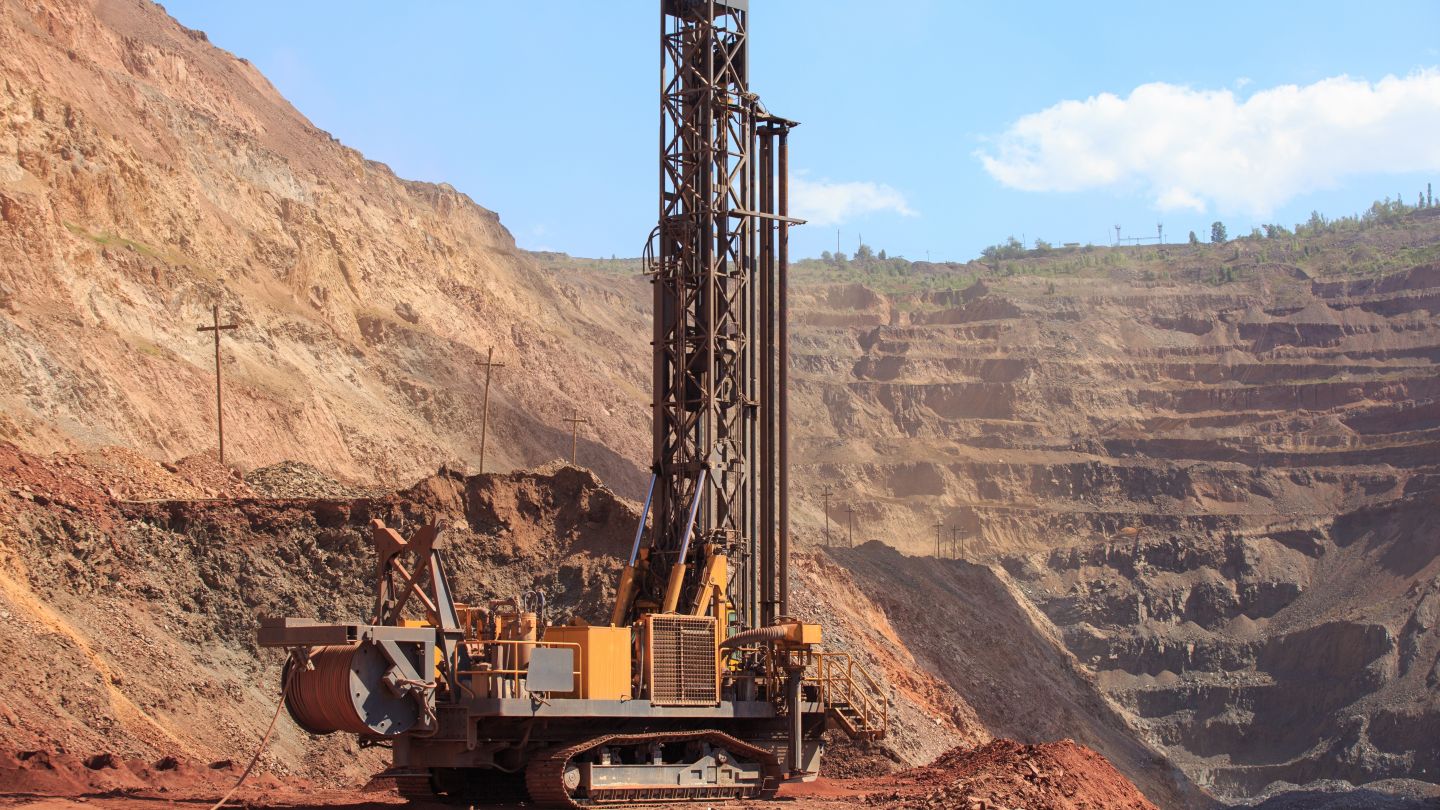
The company has completed four diamond-core holes, which extract cylinders of rock for examination and testing, totalling 1,218 metres in its 2026 programme. Work finished on schedule. The initial results come from hole YAR-45, which intersected 399.9 metres grading 0.45 grams per tonne of gold equivalent. That measure expresses the combined metal content in gold terms. The interval contained 0.34 grams per tonne of gold, 0.09% copper and 1.21 grams per tonne of silver, extending from surface to a depth of 399.9 metres.
What the first hole revealed
Several higher-grade sections sat within that long interval. A 33.2-metre section beginning at 10.3 metres returned 0.81 grams per tonne of gold equivalent. Another section, starting at 136.5 metres, ran for 74.7 metres at 0.61 grams per tonne of gold equivalent. Within it, a 47-metre section graded 0.7 grams per tonne. A further 36-metre interval began at 330 metres and returned 0.65 grams per tonne.
For GoldMining, the result matters not only for its length but also for where the metals were found. The company said drilling supported its three-dimensional geological model and identified the P-1 intrusive rock unit as the main mineralised host. Gold and copper occur both scattered through the rock and in networks of veins. The company said the mineralisation remains open along its horizontal extent and at depth, meaning its limits have not yet been established in those directions.
Chief executive Alastair Still described the first results as confirmation of the system’s scale and continuity. He also linked the long surface-starting interval to the company’s work on its updated geological model.
Still said the nearly 400-metre intersection supported the updated model and confirmed P-1 as an extensive mineralised host.
Three more results to complete the picture
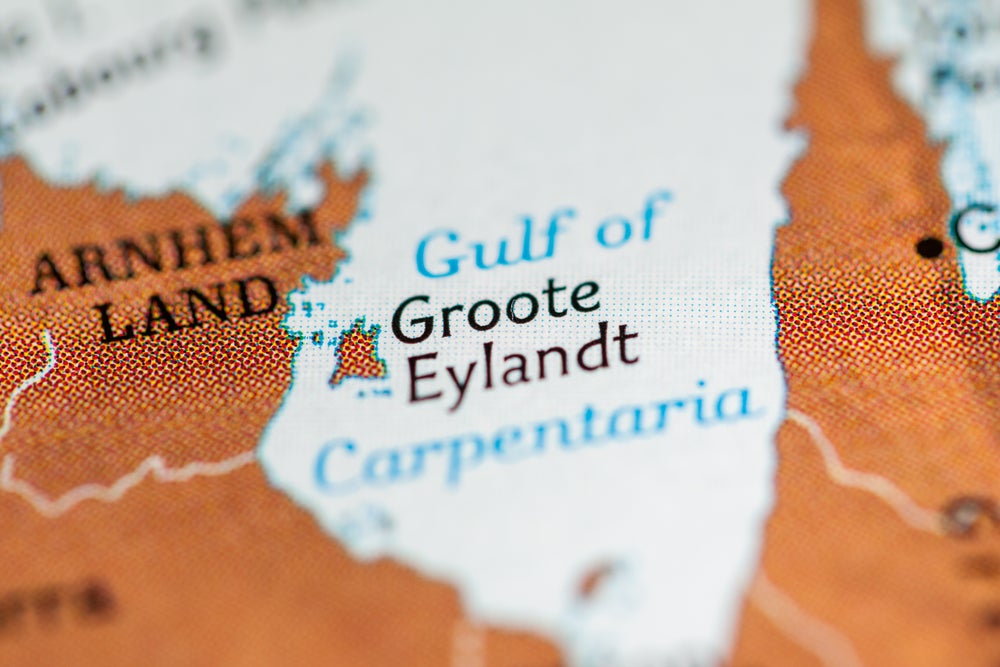
Yarumalito lies in Antioquia, about 65 kilometres south of Medellín and roughly 40 kilometres south of GoldMining’s La Mina project. It is part of Colombia’s Mid Cauca gold-copper porphyry belt, a region known for several prominent deposits. Porphyry mineralisation is associated with intrusive rocks. The project has road access, nearby grid electricity and access to core-logging facilities in Valparaiso, where drilled rock can be examined and recorded.
The mineralisation is linked to Miocene-aged intrusive activity. Both porphyry-style mineralisation and later-stage epithermal veins—formed by relatively shallow mineral-bearing fluids—have been identified. Re-examination of drill core in 2024 and 2025 helped distinguish the intrusive phases and highlighted P-1 as the principal mineral-hosting unit.
The next milestones are the assay results for holes YAR-46, YAR-47 and YAR-48. GoldMining plans to feed the campaign’s findings into updated geological and resource models, making those outstanding results the next pieces in its assessment of Yarumalito.
Sources
Comments
No comments yet — be the first.