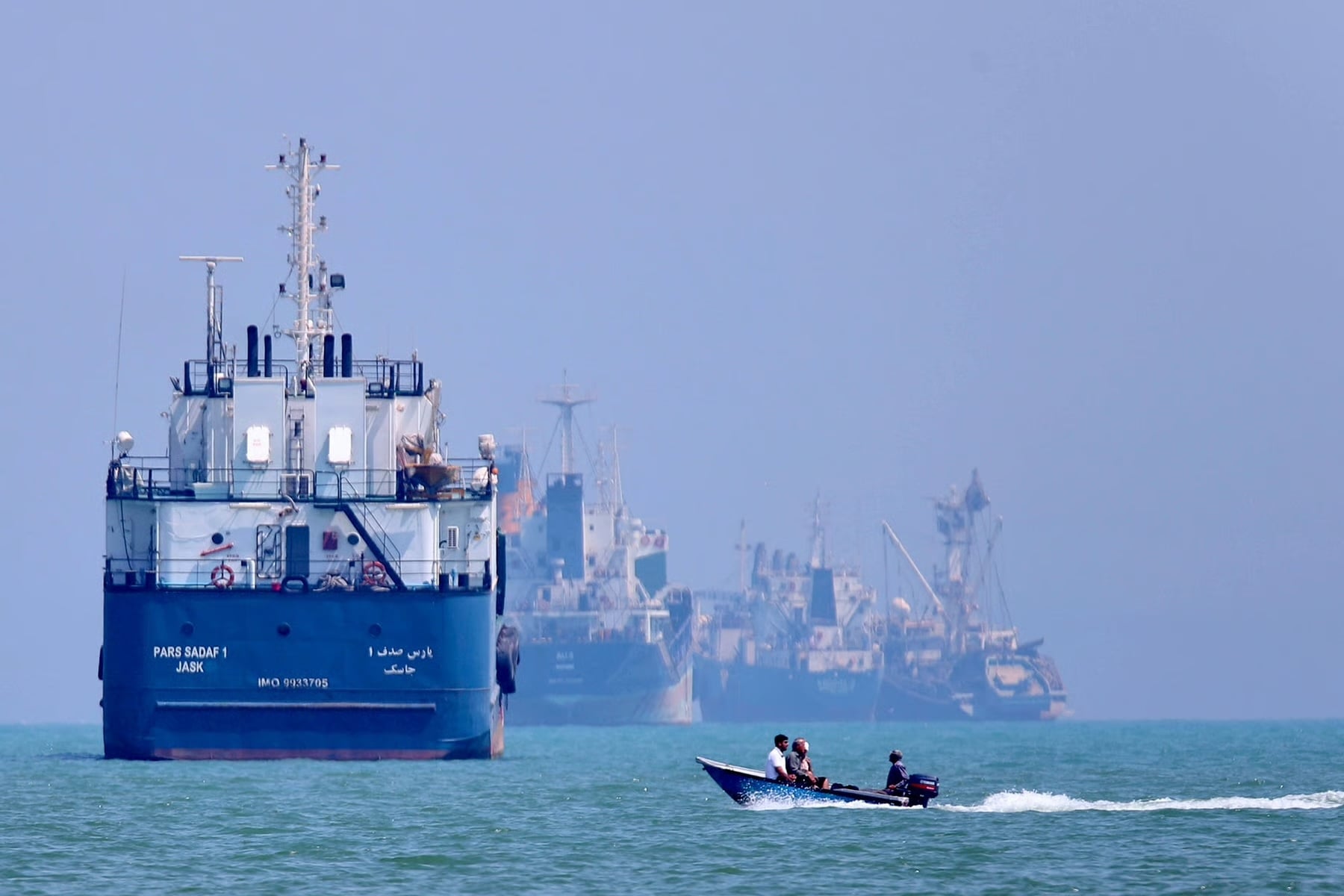
Gulf oil keeps moving, but IMF warns the energy squeeze could outlast the war
Alternative export routes have helped contain the shock, while winter gas demand and higher borrowing costs threaten to deepen the strain.
Key takeaways
- Georgieva warned that high energy prices could persist even if the Gulf war ends soon.
- Gulf crude exports averaged 18.3 million barrels a day in the seven days ending September 30, above the pre-war average of 18 million.
- Saudi Arabia and the UAE are using or expanding alternative pipeline routes to support exports.
- The World Bank expects GCC economies to contract by an average of 4.3 per cent this year.
- Winter gas demand, falling reserves and elevated borrowing costs remain key sources of pressure.
Gulf crude exports have edged above their pre-war average, yet the world may still face a prolonged stretch of expensive energy. That is the tension at the heart of IMF chief Kristalina Georgieva’s warning: finding new routes for oil has helped limit the damage from the US-Iran war, but it has not removed the pressure on energy buyers or the wider economy.
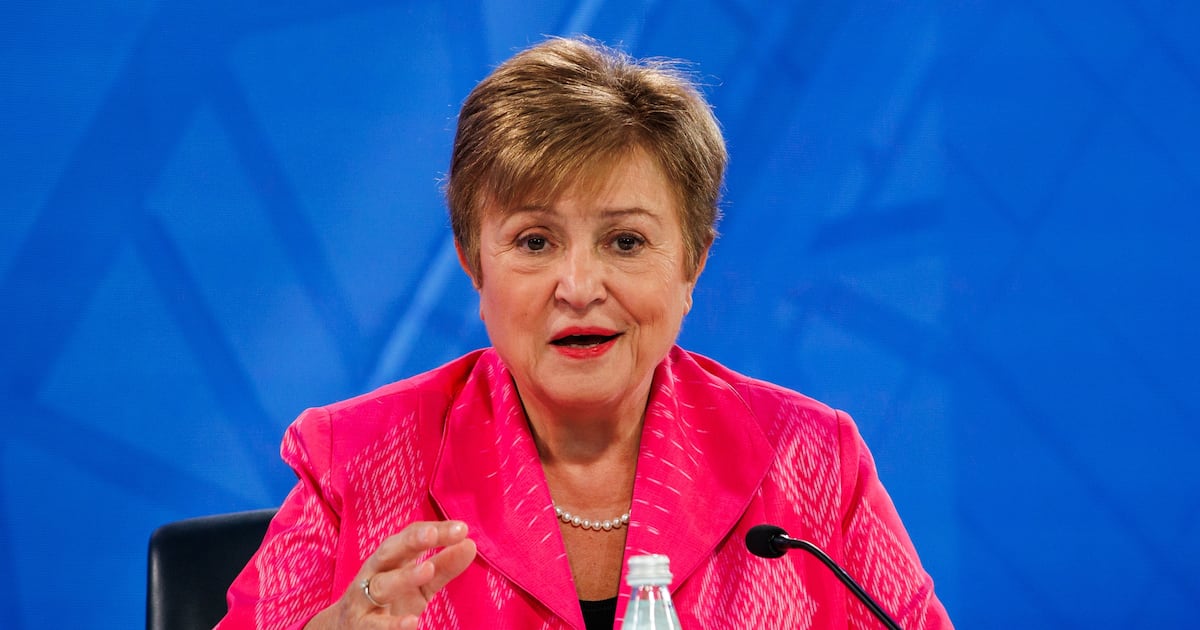
According to The National — Business, Georgieva described the energy price shock as large but contained so far in prepared remarks in Singapore ahead of the IMF and World Bank annual meetings in Bangkok. She warned that demand could add to the strain even if fighting stops. For governments already wrestling with inflation and debt, that leaves little room for relief.
“Even if the war in the Gulf were to end soon, the problem of high energy prices would likely persist for some time,” IMF managing director Kristalina Georgieva said.
New routes keep oil flowing
The clearest sign of the Gulf’s adjustment is in shipping data. Crude exports averaged 18.3 million barrels a day over the seven days ending September 30, according to ship-tracking company Kpler. That compares with an average of 18 million barrels a day in the 12 months before the Iran war. The latest count covers shipments through the Strait of Hormuz and Red Sea, alongside terminal exports and transfers between ships in the Gulf of Oman.
Producers are racing to strengthen those alternatives. Saudi Arabia has redirected crude through its East-West Pipeline. The UAE is accelerating work on its West-East Pipeline, with the expansion expected to double export capacity through Fujairah when completed in 2027. At a meeting in Bahrain last week, Georgieva credited efforts by the Gulf Co-operation Council, or GCC, to reroute supplies with preventing a bigger global economic shock.
Keeping exports moving does not mean the region will escape a downturn. Georgieva said the IMF expects the GCC economy to shrink this year, followed by a strong recovery next year if shipping returns to normal. Separately, the World Bank projected an average contraction of 4.3 per cent across GCC economies this year. That forecast, released on Tuesday, was 5.7 percentage points below its April estimate.
Winter demand raises the stakes
The next pressure point is liquefied natural gas, gas cooled into liquid for transport by ship. Georgieva warned that continuing supply disruptions would weigh particularly heavily on buyers in Europe and Asia. With winter approaching and reserves falling, stronger demand could push prices higher, adding to the burden already created by disrupted energy supplies.
The strain also reaches credit markets. Higher energy prices and growing debt have pushed global borrowing costs to their highest levels in decades, the report said. The yield on the 10-year US Treasury—a widely watched benchmark for borrowing costs—reached 5.307 per cent on Monday, its highest since 2002. Pressure has spread to Japan, France, Germany and the UK. The Federal Reserve and European Central Bank have begun raising their main interest rates, with the Bank of England expected to follow next month.
Georgieva pointed to artificial intelligence as a counterweight to the conflict’s economic damage, with investment supporting demand. But she urged regulation and supervision to limit the fallout if AI earnings disappoint. For the Gulf, the immediate tests remain more concrete: whether alternative oil routes keep delivering, whether shipping normalises enough to support next year’s recovery, and how sharply winter tightens the gas market.
Sources
Investing involves risk. TGC value can fall. This is not investment advice.
Comments
No comments yet — be the first.