Northern Uganda bets on farms and culture to draw local tourist spending
A planned farm festival in Gulu aims to connect agriculture, cultural tourism and small businesses, with about 50 exhibitors already booked.
Key takeaways
- The Northern Uganda Farm Festival is scheduled for December 11–12, 2026, at TEGOT Farmstead in Gulu District.
- About 50 exhibitors have booked space, according to festival founder Beatrice Mao.
- David Pulkol urged Uganda’s tourism industry to give more attention to domestic visitors, farming and cultural experiences.
- OWC’s Sylvia Damali Owori said packaging, branding and creative skills can add value to agricultural products.
- Organisers intend to make the festival an annual platform for farming, tourism and market connections.
About 50 exhibitors have already booked space at a farm festival in Northern Uganda that hopes to turn fields, food and local heritage into a bigger source of income. The Northern Uganda Farm Festival, scheduled for December 11–12, 2026, at TEGOT Farmstead in Gulu District, is part of a push to attract Ugandan visitors and keep their spending in local communities, according to The Independent Uganda, reporting Uganda Radio Network coverage.
The business challenge is to make domestic travel and farm-based experiences a stronger part of Uganda’s tourism economy. Speaking at the festival’s launch in Unyama Sub-county, David Pulkol said the industry should broaden its attention beyond foreign visitors and wildlife. Pulkol is principal adviser to retired General Salim Saleh, chief coordinator of Operation Wealth Creation, or OWC. He argued that Ugandans represent a large, underdeveloped market for trips built around agriculture, culture and heritage.
Turning local visits into local income
Pulkol said people who have already visited national parks are looking for other experiences, while children need opportunities to learn about farming and local traditions. Farm visits, agricultural displays and cultural events could give them reasons to travel, he said. His argument was also about how tourism is counted: Ugandans visiting another part of their own country spend money there, too, and that activity deserves greater attention.
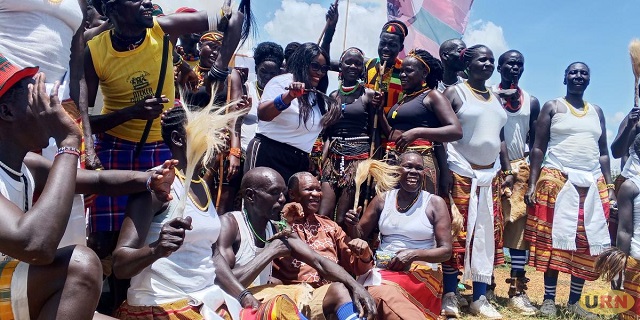
He pointed to the Karamoja Cultural Festival, held September 6–12 in Nakapiripirit District, as evidence of the draw of locally organised events. Organisers estimated attendance at more than 40,000 people, mostly Ugandans. Pulkol also linked such gatherings to stronger relations between communities in Northern Uganda and Karamoja, where cattle raiding has historically caused tensions. In his view, cultural gatherings can preserve heritage while giving people a place to sell goods and earn income.
“Culture is an economic asset.” — David Pulkol
Giving farm products a wider market
Sylvia Damali Owori, OWC’s director for creatives and member-based organisations, said agriculture could gain from the skills of people working in creative businesses. Packaging, branding, storytelling and cultural identity can add value to farm produce, food and local products, she said. The festival is intended to let young people, artisans, cultural practitioners and agricultural entrepreneurs show their goods and meet potential buyers and investors. Owori pledged OWC’s support for the event.
The festival was conceived by agri-entrepreneur Beatrice Mao, wife of Justice and Constitutional Affairs Minister Norbert Mao. She said the December programme would bring together agriculture, food, culture, music and other locally made products. Her aim is to demonstrate Northern Uganda’s farming potential and persuade residents, especially young people, to view agriculture as a commercial activity rather than an occupation to avoid.
Mao also challenged the low status some young people and men attach to farm work. She urged them to approach farming as a business and to work together on larger ambitions. The launch brought political leaders together with cultural groups from Acholi and Karamoja, linking the festival’s commercial goals with its emphasis on community connections.
Organisers plan to make the festival an annual event combining commercial farming, cultural tourism and market development. The next milestone is the two-day December gathering, where the booked exhibitors are set to showcase their products and pursue the customer and investor connections that the initiative is designed to foster.
Sources
Investing involves risk. TGC value can fall. This is not investment advice.
Comments
No comments yet — be the first.