UAE firms lift prices at fastest pace in 15 years as Gulf growth holds
September business surveys show resilient non-oil growth in the UAE and Saudi Arabia, but higher prices and disrupted shipping remain pressure points.

Key takeaways
- Saudi Arabia’s September PMI rose to 55.3 from 53.8, while the UAE reading held at 55.3.
- Saudi growth was driven by domestic demand, but foreign orders declined for a seventh consecutive month.
- UAE selling prices increased at their fastest pace since May 2011 as stronger demand supported cost pass-through.
- Dubai’s PMI climbed to 54.5, with output growth reaching its fastest pace of 2026.
- Shipping constraints and volatile oil markets remain risks to costs and prices despite the recovery.
UAE businesses raised selling prices at their fastest pace in more than 15 years in September, as stronger demand gave them room to pass on higher costs. That is the tension behind the Gulf’s latest growth figures: the non-oil economies of the UAE and Saudi Arabia kept expanding despite the Iran war, but the recovery is carrying a price burden for customers, according to The National — Business.
Both countries recorded purchasing managers’ index readings of 55.3. The PMI is a survey-based measure of business conditions, with readings above 50 signalling expansion and those below it indicating contraction. Saudi Arabia’s Riyad Bank index climbed from 53.8 in August, while the S&P Global UAE index was unchanged. Behind the matching headline numbers, however, businesses faced different demand patterns: Saudi growth leaned on domestic customers, while UAE companies also gained momentum abroad.
Saudi demand strengthens, but exports struggle
Saudi business conditions improved for a sixth straight month, with the pace of improvement reaching its strongest since February. A sharp pickup in new orders drove the acceleration, even as output growth eased. Companies reported more clients and higher spending as market conditions gradually improved. New-order growth moved closer to its long-run average, pointing to a recovery from the slowdown around the middle of 2026.
Naif Alghaith, chief economist at Riyad Bank, described the acceleration as demand-led, with new orders growing at their quickest pace since February. He said the survey fitted a broader economy supported by domestic consumption, investment, government projects and projects linked to the Public Investment Fund. Foreign demand remained a weak spot: orders from overseas customers fell for a seventh consecutive month. Some respondents linked shipping delays to supply-chain disruption during the regional conflict.
The stronger flow of new orders is an encouraging signal for activity in the months ahead, according to Riyad Bank chief economist Naif Alghaith.
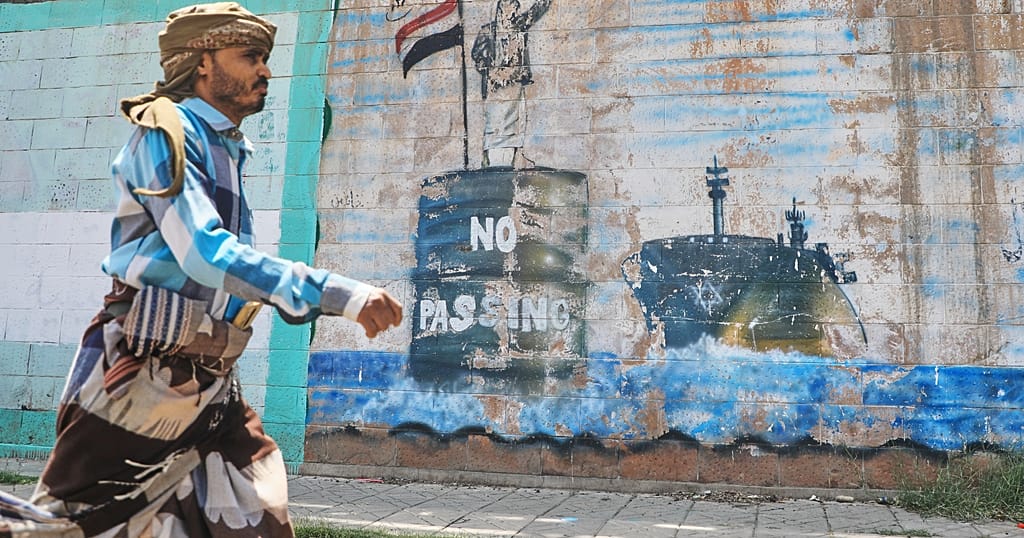
The war, now in its seventh month, continues to complicate trade. Gulf states including the UAE and Saudi Arabia have faced attacks, while tourism, leisure, retail, aviation and property suffered early in the conflict as Iran struck civilian infrastructure and energy installations. The National reported that Iran continues to attack commercial vessels in the Strait of Hormuz and that Saudi Red Sea ports face a maritime blockade by Yemen’s Iran-backed Houthi rebels.
UAE recovery brings pricing pressure
In the UAE, output grew at its fastest pace since February, before the war began. New orders rose strongly, though more slowly than at August’s seven-month high. Overseas business expanded for a third month and at its quickest rate since November 2024. Companies increased purchasing and added staff modestly to meet higher production needs. David Owen, principal economist at S&P Global Market Intelligence, said the figures provided further evidence that the non-oil economy had moved beyond the conflict-related midyear slowdown.
That stronger demand also gave firms greater pricing power. Selling prices rose at their steepest rate since May 2011, among the fastest increases in the survey’s history. Owen said businesses appeared to be rebuilding margins after sustained pressure from input costs—the expenses involved in providing goods and services. Dubai showed a similar pattern: its PMI rose to 54.5 from 54.1, with output growth the fastest of 2026 and overseas new business expanding at its strongest rate in two years. Despite hiring, unfinished work accumulated sharply, while selling-price inflation reached its highest rate since January 2014.
The next test is whether stronger orders can sustain activity while trade routes remain constrained. Alghaith sees the Saudi order recovery as a positive signal for coming months. Owen cautioned that volatile oil markets and restricted shipping could keep both business costs and customer prices elevated. For companies, growth has returned more firmly; the challenge is meeting demand without further strain on deliveries and prices.
Sources
Investing involves risk. TGC value can fall. This is not investment advice.
Comments
No comments yet — be the first.