Uganda Lifts UDB Capital to Shs2.2 Trillion to Back Industry and Exports
A Shs442.2 billion government injection expands the development bank’s funding as officials push it to attract more private investment.
Key takeaways
- A Shs442.2 billion government injection in 2026/27 has raised UDB’s capital base to Shs2.2 trillion.
- The additional funding targets industrialisation, agro-processing and export-oriented businesses.
- Finance minister Henry Musasizi urged UDB to broaden its financing tools and attract domestic and foreign private capital.
- An assessment of 525 supported enterprises recorded Shs6.261 trillion in revenue and 69,202 direct and indirect jobs maintained.
- UDB plans a physical branch presence in two additional regions during the current financial year.
Businesses backed by Uganda Development Bank maintained 69,202 direct and indirect jobs, according to the bank’s latest development assessment. Uganda’s government is now increasing the institution’s financial firepower: a fresh Shs442.2 billion injection in the 2026/27 financial year has taken its capital base to Shs2.2 trillion, Nile Post Uganda reported. The aim is to make affordable, long-term funding available to more productive businesses.
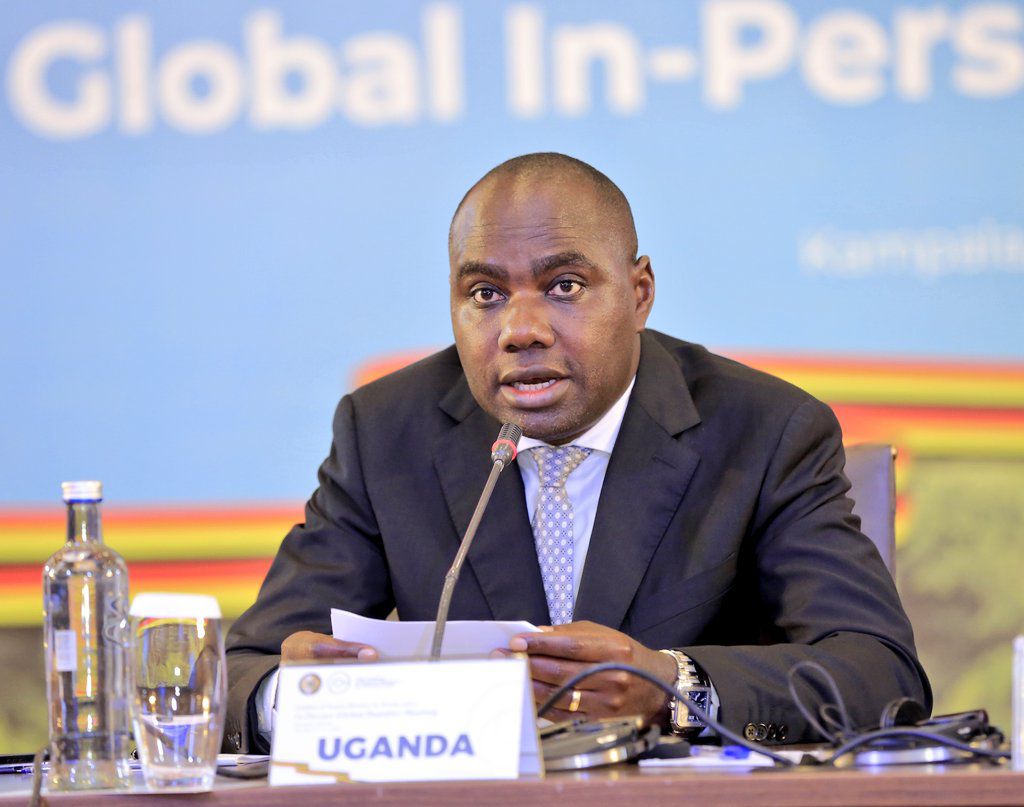
Henry Musasizi, minister of state for finance responsible for general duties, announced the increase at the commissioning of the bank’s renovated headquarters in Kampala. The additional money is intended to support industrial development, businesses that process agricultural products, and companies selling into export markets. The challenge he outlined is connecting the government’s development ambitions with financing that can stay committed to projects over the long term.
More capital, a wider financing toolkit
Musasizi linked UDB’s role to the government’s Tenfold Growth Strategy, which targets a US$500 billion Ugandan economy by 2040. He said strong institutions capable of raising long-term money and directing it into productive investment would be essential to the country’s next stage of economic transformation. For UDB, the capital increase comes alongside a call to broaden how it finances businesses.
Musasizi urged UDB to look beyond conventional lending and use a wider range of financing tools to draw in domestic and foreign private capital.
The minister pointed to private equity, or ownership investments in businesses; structured project finance, tailored to individual projects; and blended financing, which combines different funding sources. He also cited corporate bonds, debt issued by companies, and public-private partnerships. His stated aim was to reduce investment risks in strategic sectors and encourage private investors to participate alongside development finance.
UDB’s 2025 Development Impact Report provides a picture of the businesses it already supports. An assessment of 525 enterprises recorded Shs6.261 trillion in gross revenue and Shs1.158 trillion in profit after tax. Those enterprises also generated Shs387 billion in tax contributions and Shs1.847 trillion in foreign exchange earnings. These are results reported for the assessed businesses, rather than revenue or profit earned by the bank itself.
Wider reach and a stronger operating base
The employment figures included 50,221 jobs for young people and 27,641 for women within the total of 69,202 direct and indirect jobs maintained. UDB has 904 direct clients and says its reach extends to more than 112,000 customers across 114 districts. The bank plans to establish a physical branch presence in two additional regions during the current financial year.
The capital announcement also marked the opening of the refurbished UDB Tower, a 14-storey, 7,806-square-metre building on Hannington Road in Kampala. Board chairman Geoffrey Kihuguru described the headquarters as an investment in the institution’s long-term ability to serve Uganda, rather than merely a corporate property. Managing director Dr Patricia Ojangole said bringing operations together in the upgraded building would strengthen collaboration and service delivery.
The headquarters includes modern technology infrastructure, customer service facilities, smart energy management systems and a 25-kilowatt solar installation. Beyond the building, attention now turns to the planned regional expansion and Musasizi’s call for a broader financing toolkit. Together, those priorities frame the bank’s next task: extending its reach while directing more long-term funding towards businesses that can support employment, exports and domestic value addition.
Sources
Investing involves risk. TGC value can fall. This is not investment advice.
Comments
No comments yet — be the first.