Uganda’s first power-vandalism terrorism conviction brings 10-year sentence
Ibrah Muwonge pleaded guilty over attacks on electricity infrastructure that disrupted industry and essential services and forced emergency power generation for Kampala.
Key takeaways
- Muwonge received a 10-year terrorism sentence and a concurrent five-year sentence for terrorism financing.
- Fourteen pylons and poles on four transmission lines were cut or destroyed in late 2022.
- Outages disrupted industry and essential services, prompting emergency thermal generation at Namanve.
- Prosecutors said Muwonge coordinated recruitment and attacks through WhatsApp and helped fund the destruction.
- The court weighed deterrence and infrastructure damage against his guilty plea, remorse and the absence of deaths.
Fourteen electricity pylons and poles were cut or destroyed before Uganda turned to an emergency thermal power plant to help keep its capital supplied. Now Ibrah Muwonge has become the country’s first person convicted of terrorism arising from deliberate vandalism of electricity infrastructure, according to The Independent Uganda (direct). The case links the destruction of physical assets to a much wider threat: disruption of the services and businesses that depend on reliable power.
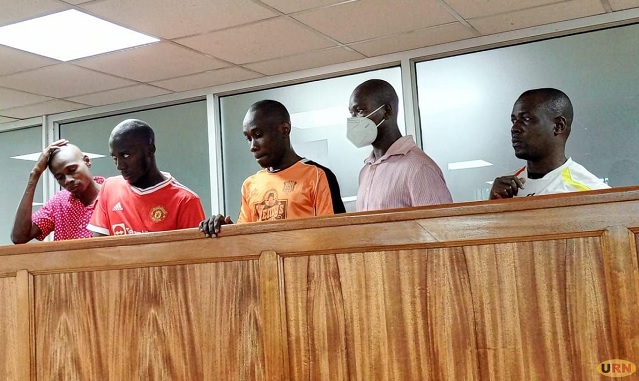
Muwonge, also known as Kimbowa Ibrah, was convicted on Tuesday by the High Court’s International Crimes Division after entering a plea bargain, an agreement under which he pleaded guilty. Justice Andrew Bashaija sentenced him to 10 years for terrorism and five years for terrorism financing. The sentences run at the same time, rather than being added together. He was convicted on two terrorism counts and one financing count.
Broken lines, wider economic damage
The attacks took place in Central Uganda during November and December 2022. The damaged infrastructure formed part of four transmission lines, which carry electricity over long distances: Owen Falls–Lugogo, Bujagali–Kawanda, Owen Falls–Namanve and Kawanda–Kapeka. The resulting outages interrupted water supplies, health services, industry, communications, financial services and education. The report describes significant economic losses but provides no monetary estimate.
The government deployed an emergency thermal power plant at Namanve to supplement electricity supply to the Kampala metropolitan area. That response illustrates how damage at a small number of points on the network reached beyond the electricity sector. Factories and essential services were among those affected by the loss of power.
Investigators from the Office of the Director of Public Prosecutions identified Muwonge as a leader of a group called the Uganda Defence Forces, which they linked to the Allied Democratic Forces. Prosecutors said he recruited and mobilised young people through a WhatsApp group and coordinated attacks intended to undermine government programmes, disrupt economic and social activity, and help bring about the government’s overthrow. They also accused him of funding equipment, transport and payments to those carrying out the destruction.
A guilty plea and a deterrence message
Investigators used phone material, including photographs, videos, audio recordings and messages, to connect Muwonge to the planning, funding and execution of the attacks. About eight prosecution witnesses had testified before he chose a plea bargain. In sentencing, Bashaija weighed the advance planning, gang involvement, Muwonge’s alleged leading role and extensive damage against his guilty plea, remorse, family responsibilities and the absence of deaths.
The proceedings also included allegations of mistreatment. In 2024, Muwonge and four co-accused sought a court order for hospital examination and treatment, saying they had suffered torture and pain after arrest. Their lawyer, Zephania Zzimbe, said Muwonge reported chest pain and alleged torture at military intelligence headquarters in Mbuya. Bashaija declined the request because there was no evidence before him that treatment had been requested and refused.
The conviction demonstrates Uganda’s serious approach to attacks on critical national infrastructure, according to the Office of the Director of Public Prosecutions.
Chief State Attorney Jacquelyn Okui prosecuted the case. The office’s message extends beyond those who physically damage equipment to people who finance or facilitate attacks. With deterrence explicitly part of the sentencing decision, that broader accountability is the issue to watch in Uganda’s response to threats against electricity infrastructure and the economic activity it supports.
Sources
Investing involves risk. TGC value can fall. This is not investment advice.
Comments
No comments yet — be the first.