Uganda’s refugee schools face a wage cliff as donor funding retreats
About 1,500 teachers risk going unpaid as Uganda seeks emergency support and a longer-term financing plan for schools in refugee-hosting districts.

Key takeaways
- About 1,500 teachers risk going unpaid despite continuing to report to schools.
- More than 200,000 pupils could fail to complete the academic year amid a teacher shortage linked to donor cuts.
- Major international humanitarian organisations have already laid off more than 1,000 staff.
- Officials are seeking immediate support while pursuing longer-term financing through the national budget and partners including the World Bank.
- UNHCR is urging a shift from temporary humanitarian funding to a lasting, ministry-led approach.
About 1,500 teachers in Uganda’s refugee-hosting districts are still reporting to schools even as the money to pay them is at risk. More than 200,000 primary and secondary pupils could fail to finish the academic year because of a teacher shortage linked to donor funding cuts, according to Daily Monitor Uganda (direct). The squeeze puts classroom continuity—and preparations for national examinations—on an uncertain financial footing.
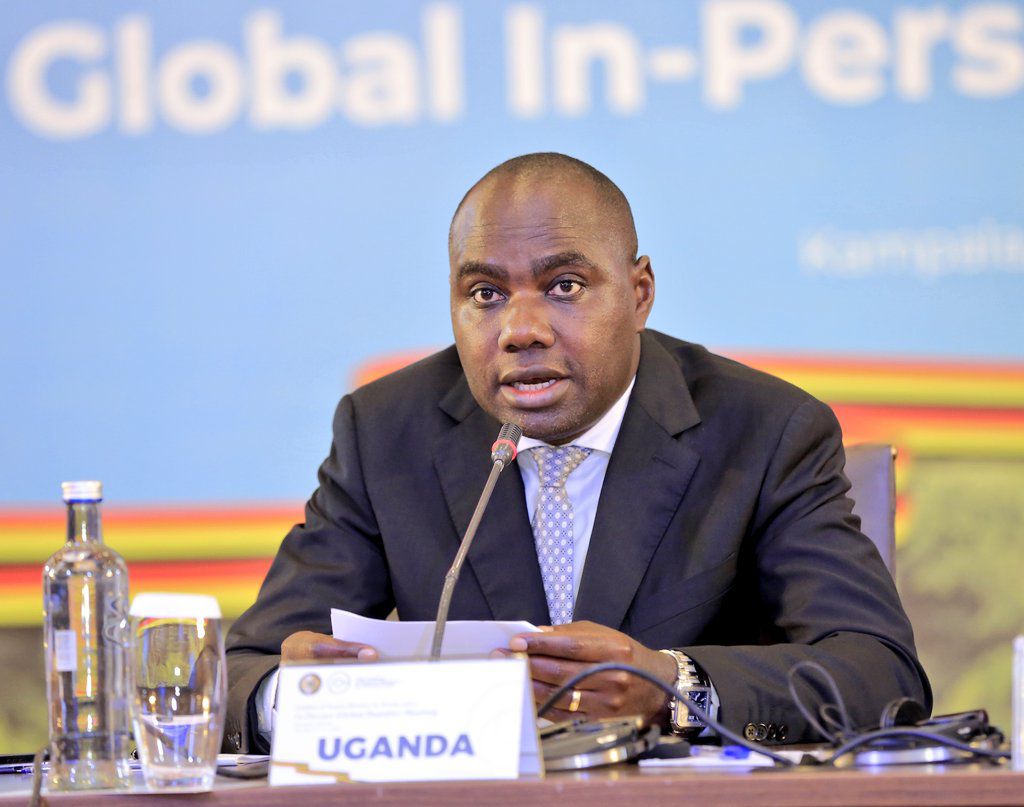
The funding crisis prompted an emergency meeting at the Office of the Prime Minister in Kampala on October 6, 2026. Relief, Disaster Preparedness and Refugees Minister Sam Engola met officials from the education ministry, the prime minister’s office and the United Nations refugee agency, UNHCR, to discuss an immediate response. His warning focused on pupils preparing for national examinations at the end of primary, ordinary secondary and advanced secondary education.
Teachers caught between aid cuts and a new funding model
The retreat in donor support has already led major international humanitarian organisations to lay off more than 1,000 staff. Separately, roughly 1,500 teachers face the possibility of unpaid wages while their schools remain open. Engola said the government remained committed to supporting refugees, but longer-term state solutions would take time. He urged development partners to prevent a temporary shortage of money from becoming a much broader disruption to education.
Dr Cleophus Mugenyi, the education ministry’s commissioner for basic education, said retaining teachers was essential to protecting pupils’ academic prospects. He asked development partners to cover the immediate shortfall while the government and the World Bank complete a more durable financing framework. That leaves officials facing two tasks at once: finding money to keep teachers in classrooms now, and building a system that can sustain essential services beyond short-term aid.
UNHCR’s country representative in Uganda, Margaret Atieno, argued that the country’s refugee response needed to change with the length and scale of displacement. What had been treated as an emergency had become a prolonged situation, she said. Traditional humanitarian arrangements could no longer meet the needs of large refugee populations over the long term.
Atieno said development partners had made clear that temporary funding to cover immediate gaps could no longer sustain the current system.
From emergency support to public financing
Atieno called for a faster move towards a long-term approach led by government ministries. She also urged government partners to maintain support so schools could continue operating without further learning losses. The timing is particularly sensitive: primary school examination candidates are already completing their final revisions, leaving little room for an interruption in teaching.
Uganda hosts more than two million refugees, the largest refugee population in Africa, according to the report. South Sudan accounts for 57% of that population and the Democratic Republic of Congo for 31%. The financing squeeze affects 13 host districts, with Yumbe, Adjumani, Kiryandongo, Isingiro and Kikuube among those identified.
The government is seeking longer-term funding through the national budget and multilateral partners, including the World Bank, to stabilise essential services across host communities. The next test is whether immediate support can keep teachers working through the examination period while that broader financing structure takes shape.
Sources
Comments
No comments yet — be the first.